Celebrating 10 years of conservation and technology collaboration between WILDLABS and Arm
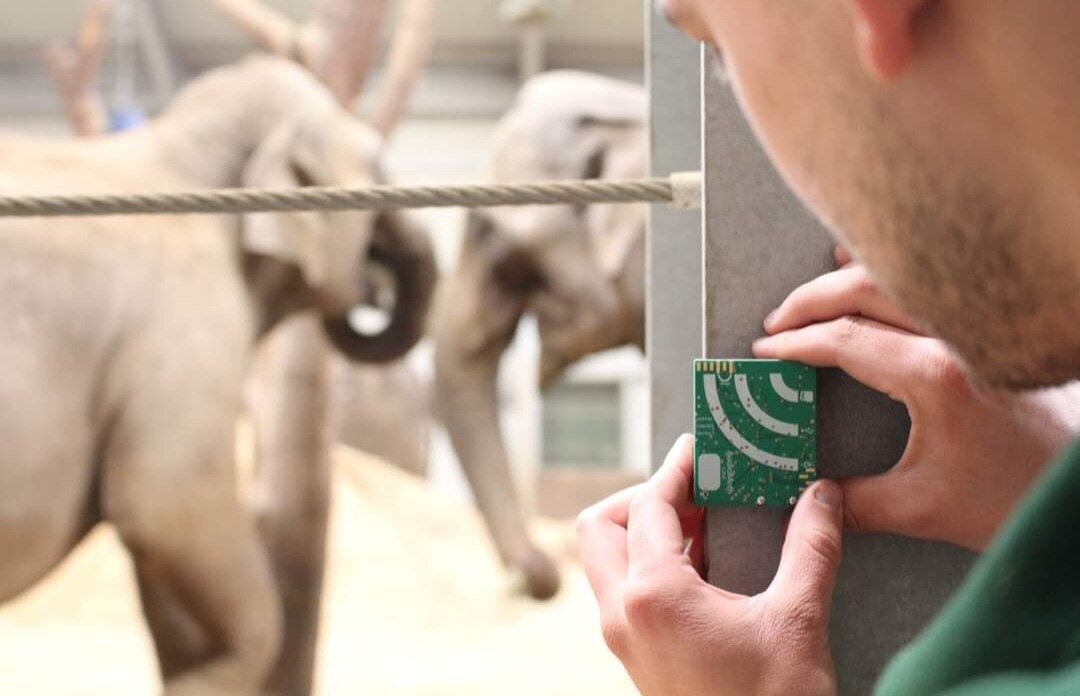
Ten years ago, a simple question sparked an ambitious experiment: What would happen if conservationists, researchers, technologists, and data scientists had a dedicated space to learn from one another and solve problems together?
In 2015, United for Wildlife, with support from Google.org and Arm, launched WILDLABS, a global conservation technology network designed to connect the people already innovating across the conservation sector. The goal was not to invent new conservation technology; It was to close information gaps, reduce duplication of effort, and create a community where knowledge, tools, and lessons learned could be shared openly.
A decade later, that experiment has evolved into the world’s leading conservation technology community, bringing together more than 16,000 practitioners, researchers, engineers, and conservation leaders from over 180 countries around the globe.
For Arm, the partnership reflects a long-standing belief that technology can help address some of society’s most pressing challenges when it is developed collaboratively and deployed responsibly.
“Since 2015, we’ve worked in long-term, co-created partnerships with nonprofits and social enterprises, combining our funding, technical expertise, and people power,” said Rosalie Tribe, senior manager of Social Impact and Innovation at Arm. “We don’t operate in a traditional donor-grantee model. Instead, we work alongside innovation teams to explore what frontier technologies, including AI, can realistically achieve in their programs.”
Building a community around conservation technology
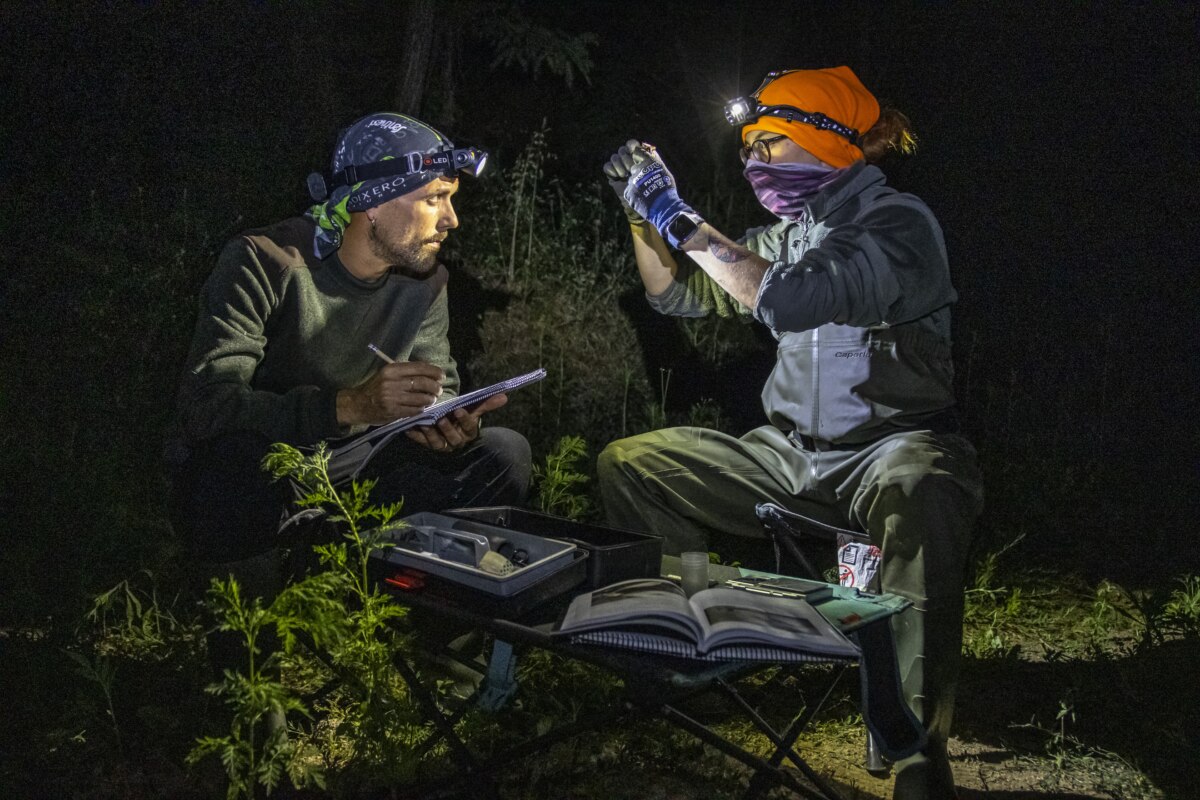
When WILDLABS launched, technology was becoming increasingly important to conservation efforts. However, practitioners often worked in isolation, with limited opportunities to share insights, collaborate, or learn from others facing similar challenges. WILDLABS was designed to address that challenge by creating a community-first platform where conservation practitioners and technology experts could connect, collaborate, and accelerate innovation together.
“When we talk with the Arm team, it’s clear they want to help move the entire sector forward,” said Adrien Pajot, project manager at WILDLABS. “They don’t just want to support WILDLABS. They want to help enable the people and organizations driving conservation technology around the world.”
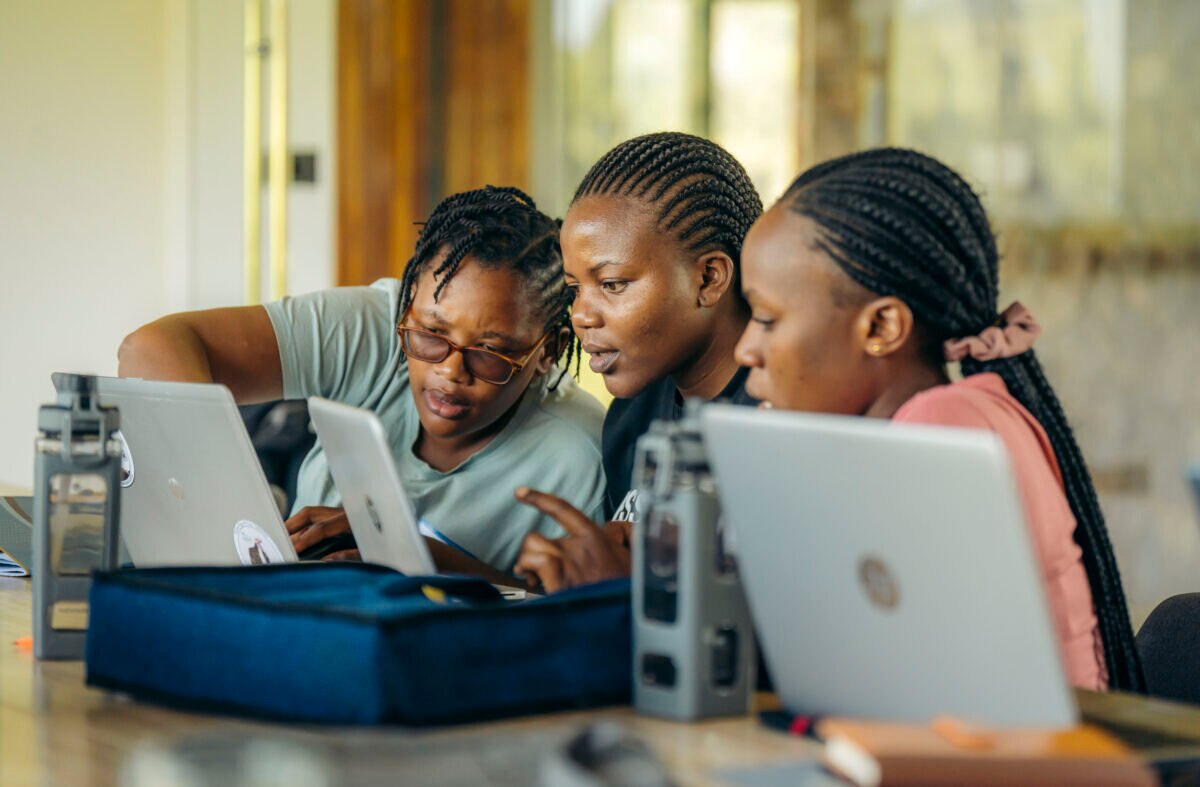
Over the years, the partnership has expanded beyond platform support to include skills development, community infrastructure, funding programs, and direct collaboration between Arm employees and conservation practitioners. One example is the Women in Conservation Technology program.
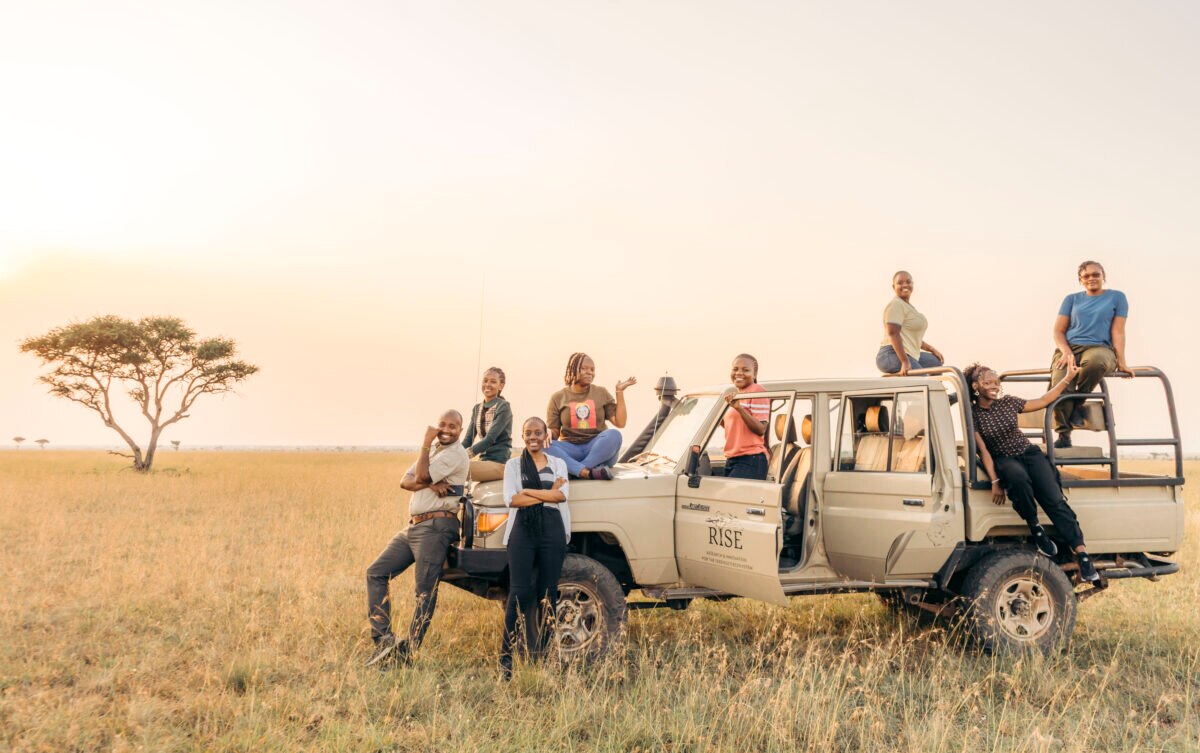
Supported by Arm and delivered by WILDLABS, Fauna & Flora, Ol Pejeta, and the Grumeti Fund, the program supports East African women conservationists to build confidence with emerging technologies, develop practical technical and leadership skills, and grow the professional networks that support long-term conservation innovation. Many participants have since gone on to launch technology-enabled conservation projects, pursue graduate research, and mentor the next generation of women working at the intersection of conservation and technology.
Technology that works in the real world
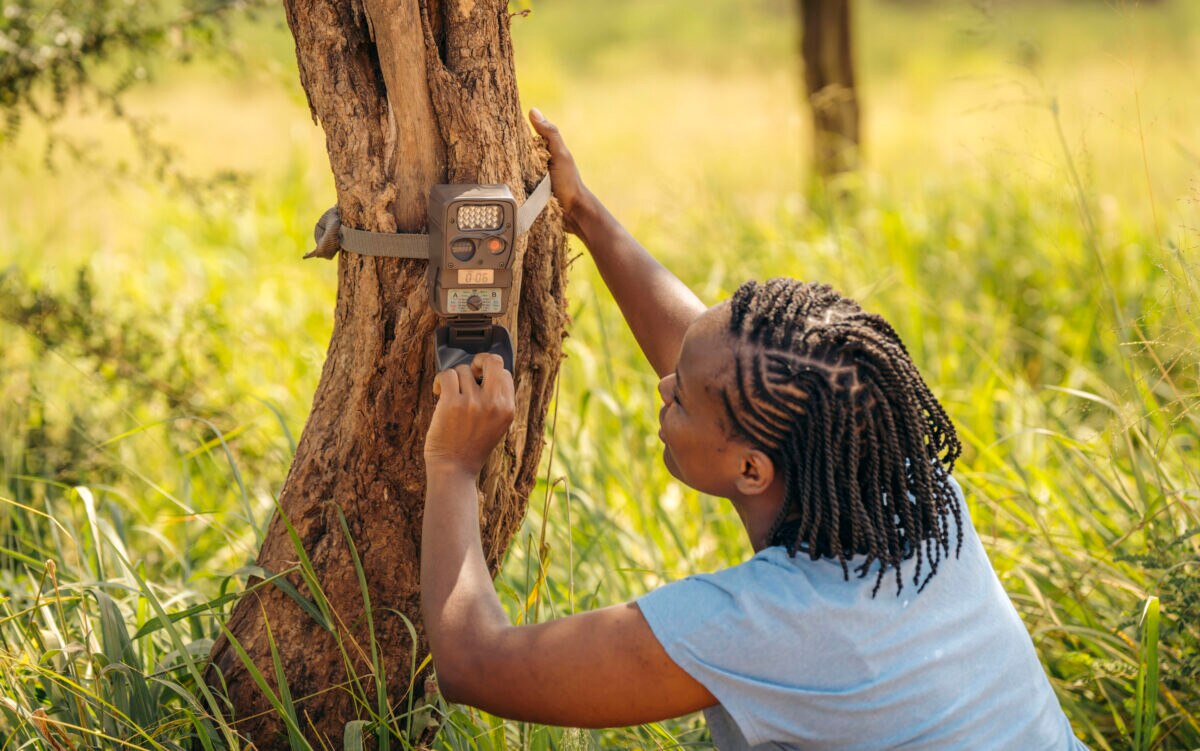
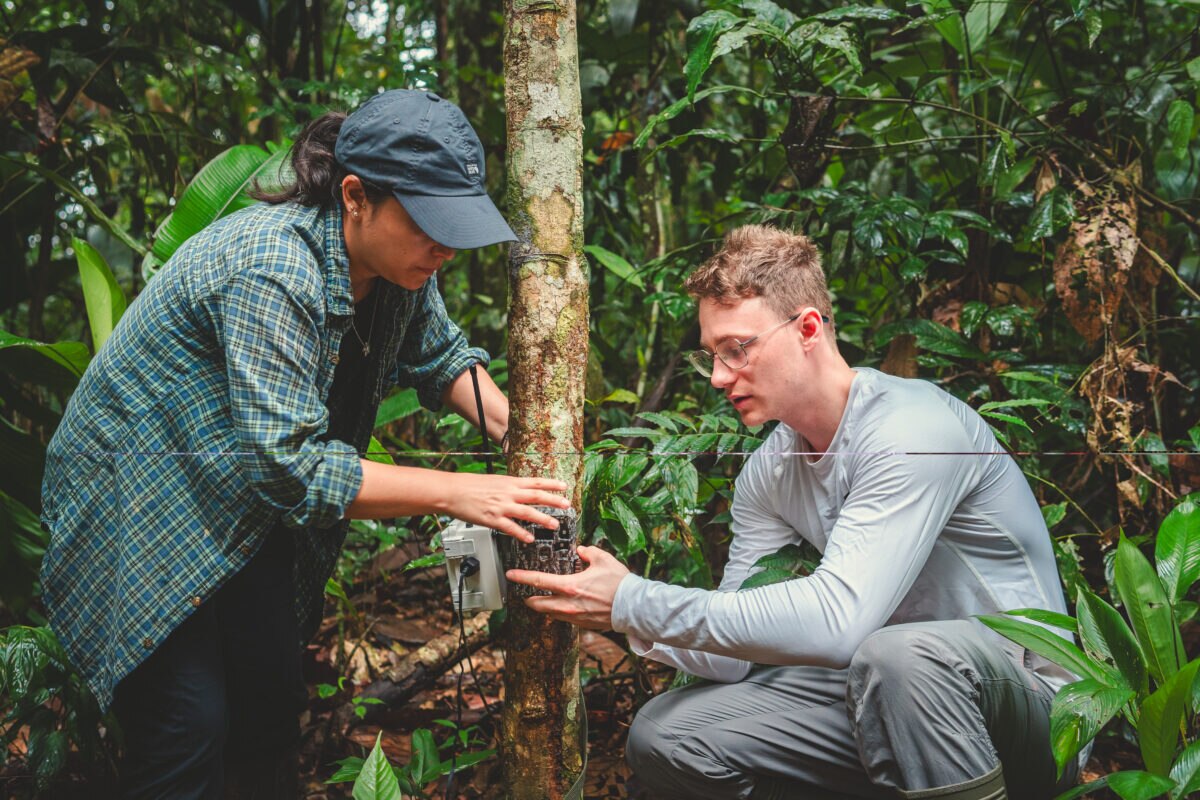
As conservation organizations increasingly adopt technologies such as AI, remote sensing, camera traps, acoustic monitoring, and predictive analytics, one challenge remains constant: solutions must operate reliably in some of the world’s most demanding environments. For Arm, this is where power-efficient computing becomes critical.
“We focus on scalable, power-efficient computing because intelligence increasingly needs to happen everywhere, not just in data centers,” said Rosalie. “In conservation, performance per watt isn’t a technical detail. It determines whether a solution can work off-grid, survive in harsh environments, and remain operational over time.”
This principle aligns closely with Arm’s broader approach to sustainability. Through its Social Impact and Innovation work, Arm focuses on three strategic pillars: education, health, and climate and nature. Climate and nature represent a particularly important area of focus because protecting ecosystems increasingly depends on technologies that can collect, process, and act on data in real time. Whether supporting species monitoring, wildlife protection, habitat restoration, or community-led conservation programs, technology is becoming an essential part of conservation operations.
“The question is not whether technology has a role,” Rosalie said. “It’s how we ensure that technology is accessible, durable, inclusive, and locally grounded.”
Investing in the infrastructure behind innovation
While breakthrough technologies often receive the most attention, some of the most impactful work happens behind the scenes.
One example is the WILDLABS Conservation Technology Inventory, a community-driven resource designed to help practitioners discover, evaluate, and learn from existing conservation technologies. The inventory emerged from a simple observation: many organizations were struggling to identify available tools, understand what worked in specific environments, and avoid reinventing solutions that already existed.
“That sounds like boring infrastructure, but it’s actually incredibly important,” said Talia Speaker, executive manager at WILDLABS. “People need to know what’s already available, where the gaps are, and what solutions have worked for others. Without that, innovation becomes much harder to scale.”
The same philosophy inspired the creation of the WILDLABS Boring Fund, supported by Arm, which helps organizations maintain and improve the essential infrastructure that enables conservation technology to succeed. The program received more than 1,000 applications in the latest funding round.
“The response showed just how significant the need is,” Talia noted. “These are the investments that often get overlooked, but they are what make innovation useful, scalable, and capable of delivering real conservation impact.”
This long-term approach to ecosystem building is also reflected in the recently announced WILDLABS Awards 2026. Supported primarily through Arm’s investment, the program will provide $360,000 in funding across 16 conservation technology projects, alongside access to engineering support and a global network of conservation and technology experts.
Looking ahead: Scaling impact together
As the conservation technology sector continues to mature, both organizations see the next chapter as an opportunity to expand collaboration across a broader ecosystem. For Adrien, scaling means bringing together more stakeholders across the technology and conservation communities.
“We need more of everything,” Adrien said. “More technology partners, more conservation organizations, and more opportunities to work together across the entire technology stack. Conservation challenges are too complex for any one organization to solve alone.”
That vision reflects the same principle that inspired WILDLABS a decade ago: Progress happens when diverse communities work together around shared goals.
As AI and other advanced technologies continue to evolve, conservation organizations will have access to increasingly powerful tools. Ensuring those tools are practical, efficient, accessible, and locally relevant will require continued collaboration across sectors.
“At Arm, we remain committed to this partnership and this community,” Rosalie said. “Not because biodiversity is trending, but because we believe the future of computing must serve society, climate, and nature. That means enabling power-efficient, AI-capable solutions at scale and supporting the people who are leading that work.”
Ten years after helping launch WILDLABS, Arm’s role remains the same: enabling the innovators, conservationists, and communities working every day to protect the natural world.
The commitment is perhaps best summed up by Talia:
“Arm enables us to be what our community needs us to be, and that kind of trust is rare,” Talia said. “They have set the standard for what a real values-led partnership looks like, and we’re proud to carry that into the next decade together.”

Any re-use permitted for informational and non-commercial or personal use only.
Editorial Contact
Stay informed with Arm's top stories, insights, and conversations.


Latest on X

More flexibility. More customization. A faster path to differentiated silicon.
That’s what Neoverse CSS N4 is designed to give Arm partners building for the agentic AI era. 💪

We’ve worked with the @TencentHunyuan team to bring its translation models to Arm CPUs in SME2-enabled devices, helping make translation available wherever you are, even without a connection. 🌍

🚀 Tencent Hy Translation just landed.Powered by Hy-MT2.
33 languages. 5 Chinese minority languages & dialects.
Voice. Photo. Full offline — on-device, no network required.
Already live in 12 countries and regions.
Travel, drive, work or read abroad. Accurate. Natural. Always
Run the agent. Secure the infrastructure around it.
As AI agents become more autonomous, security has to be built into the infrastructure around them. Arm CPUs run agentic workloads, while Arm-based DPUs provide independent observation, isolation and policy enforcement.

What if AI could help create the pixels behind the next generation of mobile games?
Mali G2-Ultra NX brings world-class AI GPU capabilities to mobile, with neural acceleration built directly into the graphics pipeline.
@ctbergey shows what that unlocks through Neural Dawn,

There's a new generation of @surface, built for AI on the go. 💻
Congratulations to @Microsoft on the new Surface Pro 12-inch and Surface Laptop 13-inch, built on Arm.

Introducing the next Surface Pro 12-inch and Surface Laptop 13-inch with Snapdragon X2 Plus:...
Today at Snapdragon Summit, we introduced the next Surface Pro 12-inch and Surface Laptop 13-inch, built on
okt.to
Hello, Googlebook. 👋💻
@Dell and @HP Googlebooks are built on Arm, bringing Android and Gemini Intelligence together to power advanced workflows and connect seamlessly with Android phones.
From your phone to laptop, Arm is providing the compute foundation for the next

Today we're celebrating with our partner @Meta who has just introduced a next-generation lineup of devices, agents, and wearables designed for the AI era.
This is a glimpse into a future that prioritizes performance, increases accessibility, and doesn't sacrifice security. 👏