How Arm technology is helping students connect with space and power the next generation of innovators
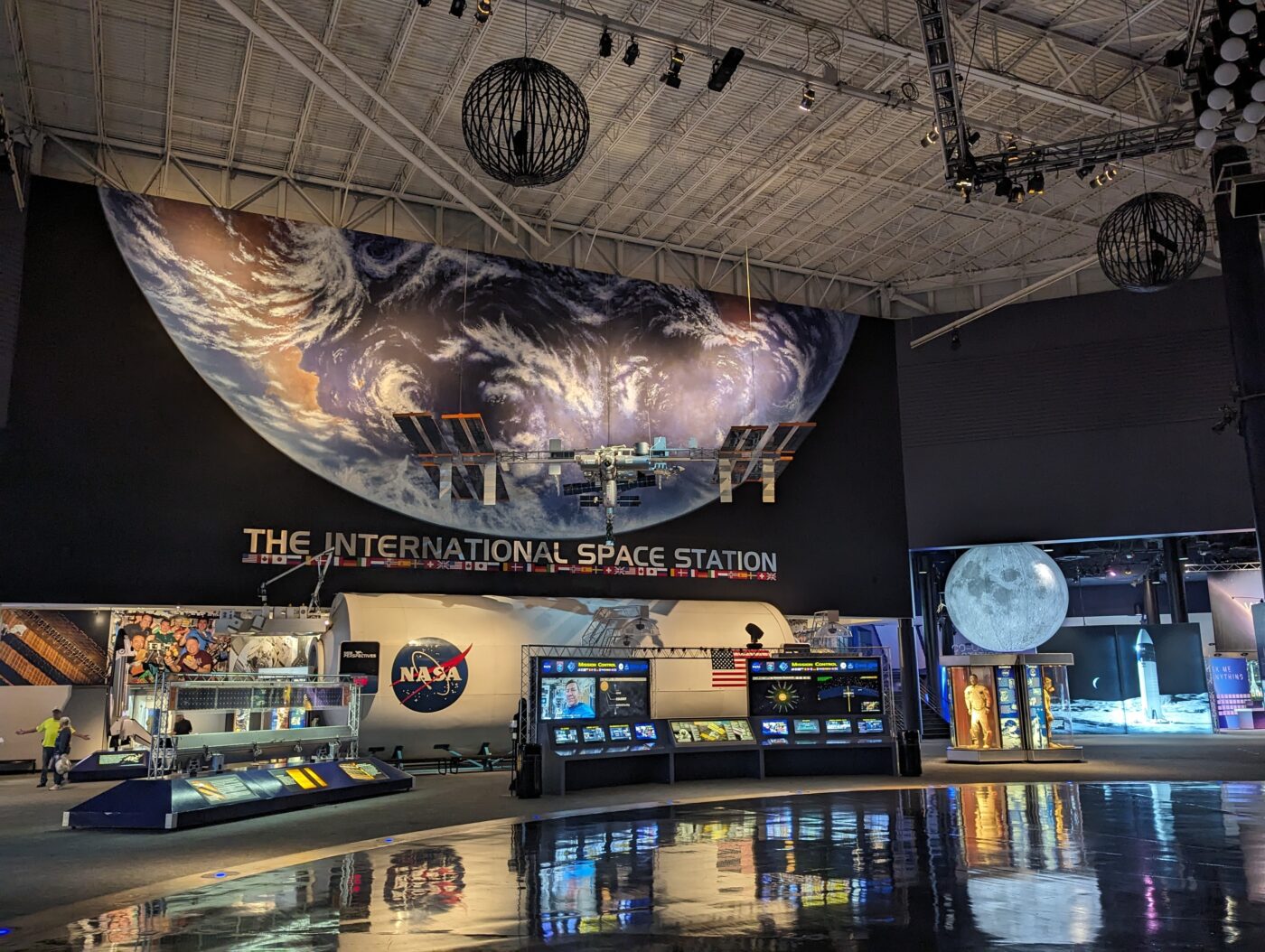
Space exploration has become one of humanity’s most unifying, boundary‑breaking pursuits. What was once purely a scientific mission is now also an economic, geopolitical, and technological frontier.
The need to prepare future engineers, scientists, and systems thinkers is more urgent than ever. That preparation begins here on Earth, with students designing, building, coding, and discovering how tomorrow’s systems take shape today.
NASA’s educational outreach is doing just that through its In-Flight STEM Downlink events, where students interact live with astronauts aboard the International Space Station (ISS). Behind the scenes, Arm is collaborating with partners to enable this engagement at scale through accessible technologies that bring space exploration into classrooms, libraries, and maker spaces.
How NASA and Arm turn inspiration into experience
NASA’s downlink events give students a direct line to space; real conversations with astronauts living and working aboard the ISS. These interactions aren’t just inspirational. They’re a bridge between curiosity and capability. Hear directly from astronauts in the latest Q&A. Watch the full session in the video below.
In collaboration with the Queens Borough Public Library System and NASA’s Office of STEM Engagement, Arm has helped expand this connection by enabling the tools that make hands-on learning possible. The result is a learning ecosystem that combines real-time space interaction with real-world skills in electronics, AI, and computing; areas critical to the future workforce.
Other efforts across the country are bringing similar hands-on opportunities to students. In rural Indiana, NearSpace Education (NSE) has been awarded a NASA TEAM II STEM Innovator grant to erase the line between classroom coding and actual spaceflight. Through a three-year program called “Dream Big Phase II: STEPS to Space,” up to 900 middle school students will design, test, and launch their own Arm-powered micro:bit-based experiments; first in high-altitude balloon flights, and then aboard a NearSpace Launch satellite to Low Earth Orbit via SpaceX. This initiative blends accessible computing with the full lifecycle of a real satellite mission, making space education tangible, team-driven, and impactful.
Arm-powered platforms on Earth and beyond
What powers these immersive learning experiences isn’t always visible, but it’s vital. Raspberry Pi, Arduino, and Micro:bit platforms are all built on the Arm compute platform, and they’re at the heart of educational programs that simulate space systems, analyze live data, and support student-led experimentation.
Projects like ISS Mimic and ISS Above showcase how small, affordable hardware can replicate or interact with orbiting infrastructure. ISS Above, for example, uses a Raspberry Pi to track when the space station passes overhead and shows live information during each flyover. ISS Mimic, meanwhile, recreates a scaled-down version of the ISS using Arm-based microcontrollers, giving students a tangible model to program, test, and explore.
The ISS Mimic project goes further by grounding the model in publicly available ISS telemetry. Built by a team of Boeing volunteers, the system replicates key station behaviors, such as solar array rotation, and adds lighting elements to help explain how the ISS operates. With the real station orbiting Earth roughly 16 times per day, the model becomes a practical teaching aid for unpacking complex space-station mechanics in an accessible, hands-on way.
Following a 2023 pilot in schools across Puerto Rico, Mexico, and the continental United States, supported by grants from the ISS National Laboratory, the initiative has expanded rapidly. Beyond the base kit, students at Houston Community College and Cornell University are also developing upgrades, exploring enhancements that may even inform ideas relevant to future space-station concepts.
These aren’t theoretical demos. They’re being used in classrooms and libraries today, expanding access to meaningful technical learning experiences for students across backgrounds and communities.
This spirit of accessibility is also visible in higher education research projects. For example, in the Trinidad system, engineer Elvis Andrés Ayala used a Raspberry Pi Zero 2 W and camera module to create an image acquisition unit that was launched to 42km in the stratosphere during a NASA mission. Operating in temperatures below -50°C, this low-cost, Arm-powered module successfully captured images in extreme conditions; proving that commercial hardware can support real aerospace applications. Systems like Trinidad are opening new doors for students and educators who want to explore space with tools that are both powerful and affordable.
52 libraries and a city connecting to space
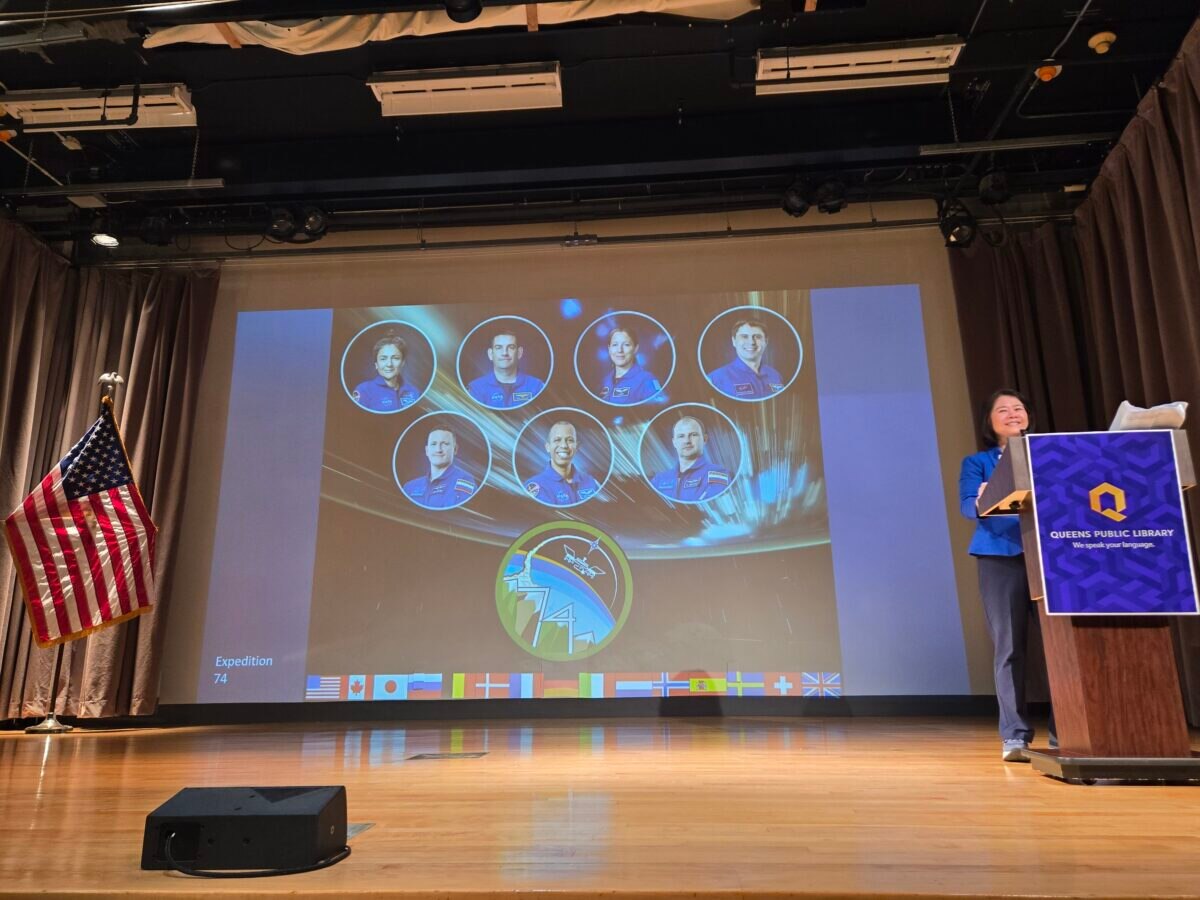
One of the most powerful examples of this work is unfolding in Queens, New York. Through a collaboration between Arm ISS Above and the Queens Public Library (QPL), 52 public libraries are now equipped with Arm-powered ISS Above kits. Each library runs workshops that blend space science, AI concepts, and real data analysis, all built on Arm technology. The ISS Above display provides interesting information for the public about when the ISS is overhead, where it is in its orbit, the crews on the station and the view from space.
These sessions are more than just educational programming. For students in underserved communities, they are a rare gateway into emerging STEM fields. NASA astronauts are expected to connect directly with participating students through STEM Downlink events, turning neighborhood libraries into launchpads for imagination and discovery.
The ISS-Above features live views of Earth from a camera payload installed on the International Space Station and powered by an Arm-based system-on-chip (SoC). The service is operated by SEN, a space company focused on bringing real-time video from orbit to general audiences. SEN is the first to deliver a 24/7 4K livestream to the public, now available on YouTube and ITVX in the UK, with additional smart TV platforms planned for launch in 2026.
The Queen’s Borough Public Library System serves over 3 million people, with an impact footprint of thousands of students per library. It’s an active, expanding model for how technology, accessibility, and equity can come together to shape the next generation of innovators.
Building a full-spectrum space ecosystem
Arm’s impact isn’t limited to K-12 learners. University teams are using Arm-based development kits to prototype applications using NASA’s open IP, with some projects advancing to national competitions and securing startup funding.
These efforts form a continuum; from early inspiration in libraries, to technical skill-building in higher education, to real-world deployment in space-related startups. Some of these ventures, like ISS Mimic and ISS Above, have grown from grassroots projects into educational and commercial tools used across the country.
Even in orbit, the importance of Arm-based microcontrollers continues to accelerate. STMicroelectronics’ STM32V8, based on the Arm Cortex-M85 processor, has been selected by SpaceX for its high-speed laser communication system in the Starlink satellite network. Built with 18nm FD-SOI technology and optimized for harsh environments like Low Earth Orbit, this microcontroller enables high reliability and performance in one of the most demanding satellite systems ever deployed. This further demonstrates how advanced Arm technology is supporting education and enabling real innovation in space.
From student curiosity to commercial viability, Arm is helping grow the ecosystem that will define space exploration in the years ahead.
A scalable model for the future of space exploration
What’s happening within the Queens Public Library System is just the beginning. This model shows how hands-on space learning can scale, not only by providing access to specialized hardware but also through strong collaboration.
Space has evolved beyond exploration alone and now sits at the intersection of global competition, economic opportunity, and technological leadership. As its strategic importance grows, so does the urgency to develop the talent capable of designing and operating the systems that will define this domain. That work starts long before launch, with students gaining hands-on experience in building, coding, and understanding the technologies shaping the future.
Through public-private partnerships and affordable, power-efficient computing platforms built on Arm, millions of students, many in underserved or nontraditional learning environments, are gaining access to technical education that was once out of reach. These programs are building knowledge and experience for future careers in STEM.
This same collaboration model extends into higher education through NASA’s MUREP Innovation & Technology Transfer Idea Competition (MITTIC) where Arm has been a longtime supporter contributing to the program in a variety of hands-on ways over the years. From mentoring student teams to hosting subject‑matter‑expert sessions that connect students with industry professionals, Arm has helped bridge the gap between academic potential and real-world innovation.
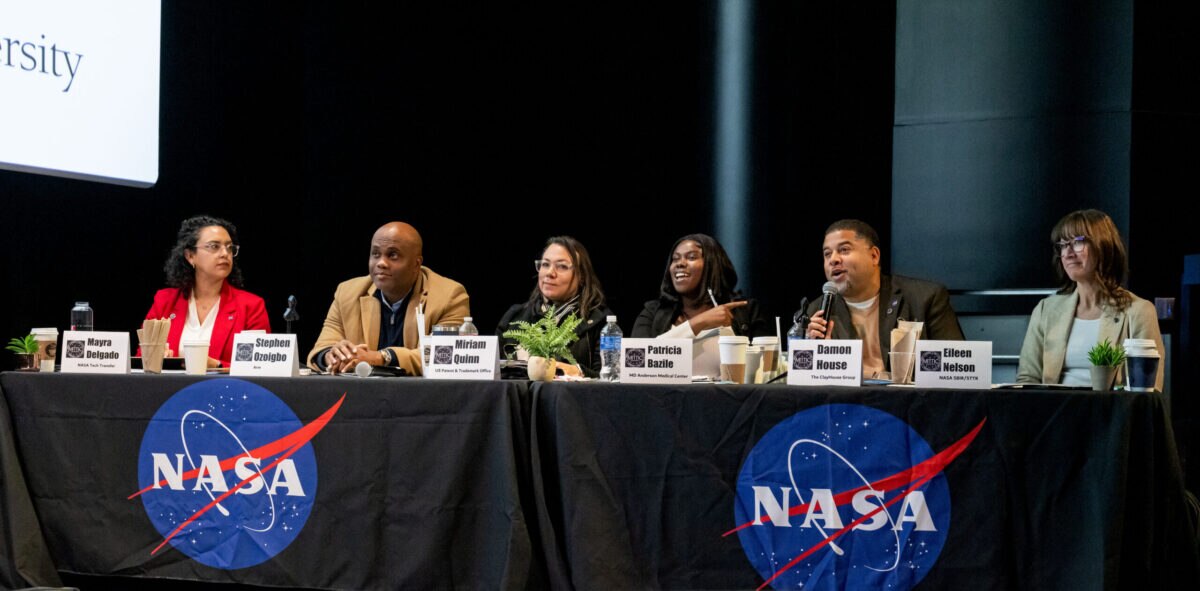
Arm representatives served as judges at the competition at NASA’s Johnson Space Center in Houston, Texas, evaluating the ideas put forth by the next generation of engineers and technologists. Arm and its partners welcomed the winning team to Arm’s San Jose office, and NASA’s Ames Research Center in Mountain View, offering them firsthand exposure to the engineering work shaping the future of technology. Finally, most recently, Arm served as a judge for the NASA MITTIC Hackathon through the White House Initiative on Historically Black Colleges and Universities (HBCU) Scholar program, engaging students from 64 institutions across the country.
Training tomorrow’s space workforce
Arm’s role in this story is about powering the tools that make access possible. When students track satellites, code AI models, or speak to astronauts, they’re not just watching the future happen; they’re learning how to build it. And that learning is laying the foundation for a more skilled, more inclusive technical workforce, ready to lead the next wave of space exploration.
And it’s happening on Arm.

Any re-use permitted for informational and non-commercial or personal use only.
Editorial Contact
Stay informed with Arm's top stories, insights, and conversations.


Latest on X

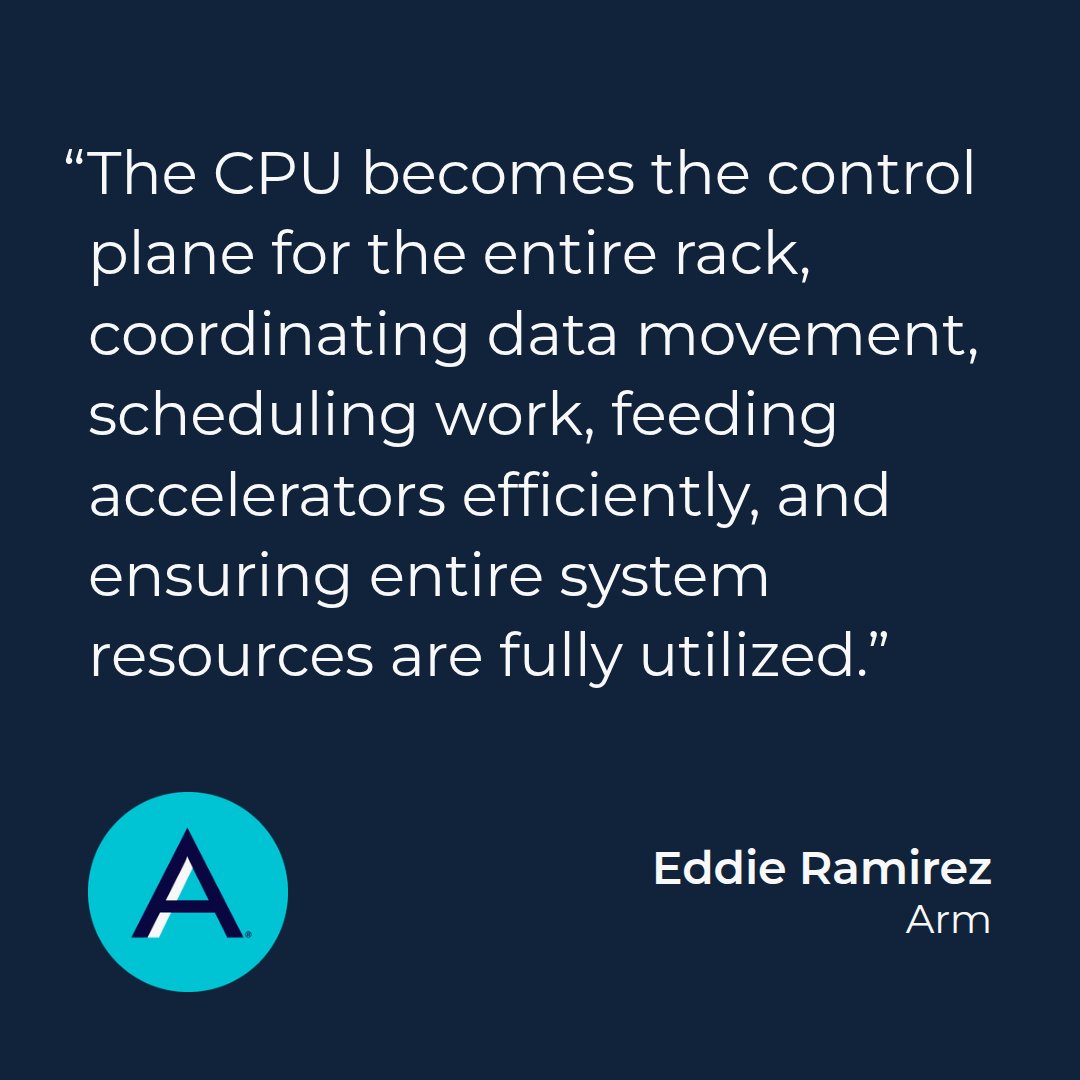
AI infrastructure is increasingly about optimizing the entire system, not just individual chips.
In TechArena's new report, Eddie Ramirez, VP of Marketing, Cloud AI at Arm, shares how power constraints and rack-scale computing are reshaping AI infrastructure. ⚡️
Check out the
Europe is focused on accelerating the next generation of innovators and a strong semiconductor design base will play a critical role in building the compute foundation for that ambition.
We’re joining EU Chips Design Platform (EuroCDP) as its first commercial IP provider,
Smarter AI models are only part of the robotics challenge.
Robots in the real-world need many different capabilities to work together reliably, making robotics increasingly a systems challenge.
In his white paper, The missing science of robotic systems, Federico Pecora explores

Build. Test. Experiment.
You won't want to miss the Arm Create Builder Zone at @WeAreDevs World Congress North America.
⬇️⬇️⬇️
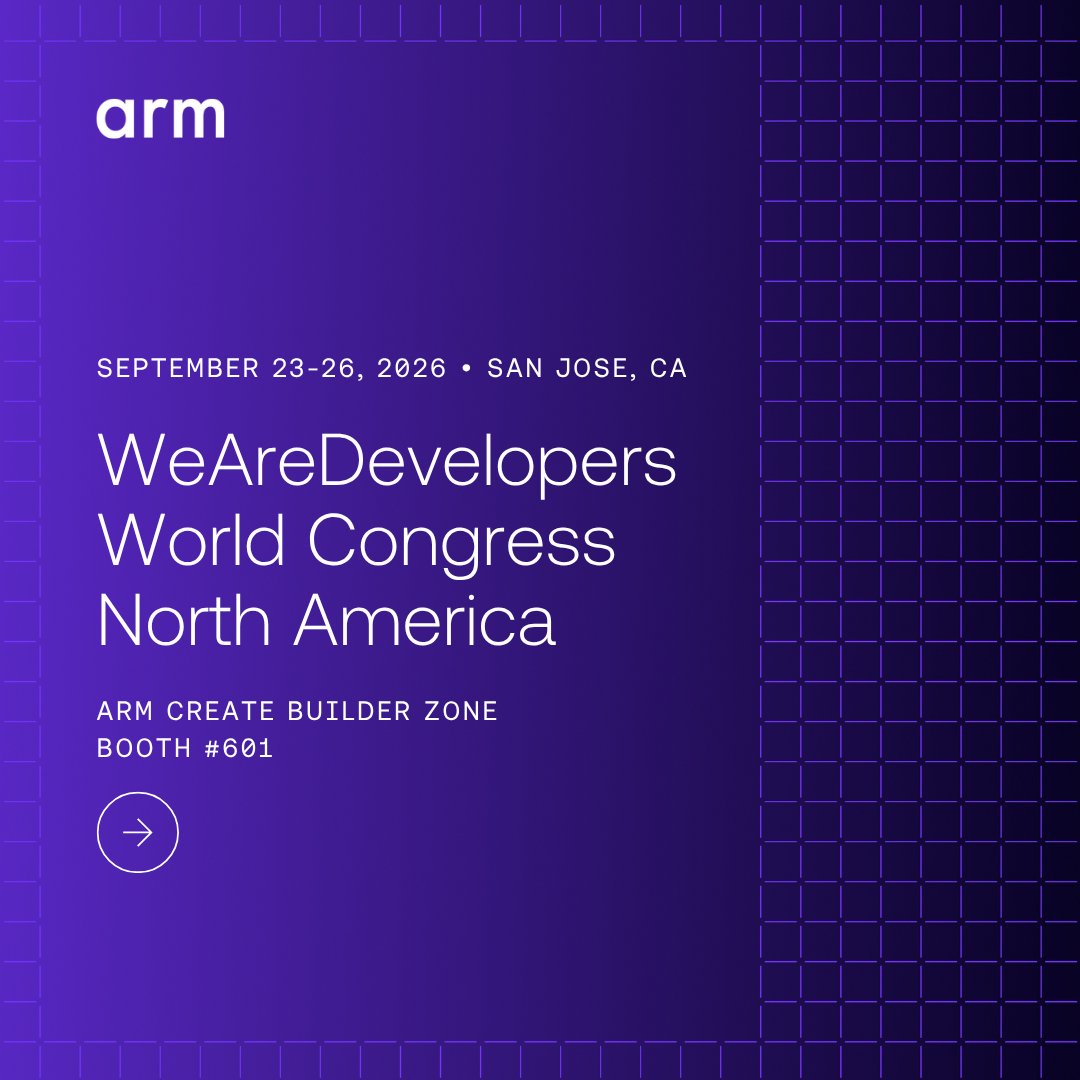
The Arm Create Builder Zone coming to @WeAreDevs World Congress North America!
🚀 Lightning talks
🚀 Demos
🚀 Conversations with the teams building the next era of AI
This is your chance to learn more about how YOU can build, test, and experiment on Arm.
Come and see us
What could AI make possible that we can’t imagine today?
Arm CEO Rene Haas talks to @BBC’s @faisalislam about the potential for AI to transform healthcare, including breakthroughs in diseases like cancer. https://okt.to/qHwKnr

Today’s @Snap SPECS launch offers an exciting look at that future—where immersive experiences can help people create, connect, and get things done while staying present in the moment.
As intelligence increasingly moves to the edge, experiences like these show what’s possible

SPECS bring useful digital experiences into the world around you while keeping you present in the moment. From work and navigation to entertainment, creativity, and connection.
https://SPECS.com
Congrats to @MediaTek on the Dimensity 9600 Pro. 🎉
Featuring the Arm C2 CPU cluster with C2-Ultra CPUs and the Mali G2-Ultra NX GPU, the new flagship SoC delivers high performance and power efficiency for faster, more responsive mobile experiences.

MediaTek Dimensity 9600 Pro Sets New Standard for Flagship Smartphone Chips
MediaTek Dimensity 9600 Pro Sets New Standard for Flagship Smartphone Chips. This 2nm SoC delivers leap in performance and efficiency for agentic AI.
okt.to