Building the engine behind Arm’s silicon shift
There’s a moment in any big transition where the story sounds simple from the outside. In our case it was “Arm moved into silicon. We built a chip. It works.”
But if you’ve spent any time actually doing this kind of work, you know that’s not the story. The real story is what happens underneath – how you take something that was never designed to operate as a manufacturing company and turn it into one that can deliver, at scale, with quality, on time.
That’s the part I walked into.
Not starting from zero – just not connected
When I joined Arm, the assumption from the outside might be that we were starting from scratch on operations. That’s not what I saw.
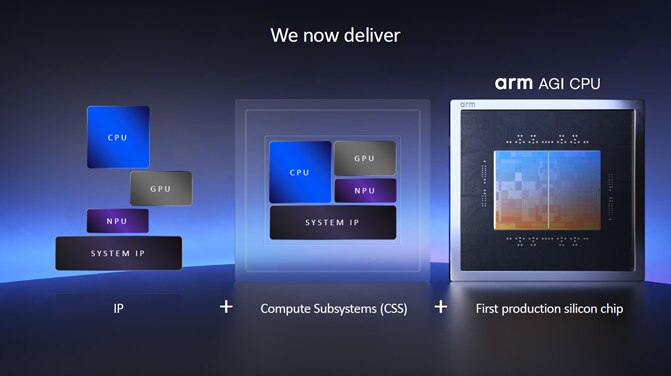
Arm had been a product company for decades, just a different kind of product: IP, compute subsystems (CSS), platforms. Underneath that, a lot of the capabilities you need to build and deliver physical silicon were already there. They just weren’t connected.
Quality teams were strong. Planning systems existed. People understood logistics, supply, delivery. But there wasn’t a single organization thinking about it end-to-end as a manufacturing operation.
So the first step wasn’t building everything new. It was finding what already existed and putting it together.
I didn’t come in with a big mandate or a defined org chart. In fact, I didn’t have a team at all. I spent my first month asking questions. No opinions. Just questions.
- Where are things working?
- Where are they not?
- Who’s solving what problems?
- Where are the gaps?
And then I started pulling people together. We brought a group into a room – people from across the company who were all working on pieces of this, often without even knowing it. Nobody reported to me at the time. It was all voluntary.
By the end of that meeting, the conclusion wasn’t mine. It was theirs: this needs to be a team. That’s how the operations organization really started.
The shift nobody talks about
A lot has been said about Arm’s move from IP to silicon. What doesn’t get talked about as much is the shift that comes with it.
In IP, you’re building platforms. You take your time, you get it right, you release and the ecosystem builds on top of it. In silicon, you’re on a treadmill. Market windows don’t wait. You either hit them or someone else does.
And once you start, you don’t get to pause. It’s not one product – it’s the next one and the next one after that. That changes everything about how you operate, how you plan, how you build teams and how you think about risk.
And it forces a different level of discipline.
Quality is the anchor
If there’s one thing that made this transition possible, it’s that we didn’t have to invent a quality culture. Arm already had one. That’s because when you’re building IP that ends up in billions of devices, quality isn’t optional. A single issue can ripple across an entire ecosystem. That disciplined mindset translates directly into silicon.
The fundamentals are the same:
- How you think about defects
- How you debug problems
- How you build confidence in what you’re delivering
What changes is the surface area.
Now you’re dealing with manufacturing readiness. Supplier audits. Physical failure analysis. Failed parts returned and need to be taken apart, probed, understood.
While those are new muscles, the core thinking is the same. Quality is still the foundation. Everything else builds on top of it.
Building a supply chain that didn’t exist
The biggest gap wasn’t design. It was delivery. Arm had relationships across the ecosystem, including with TSMC, but not in the way a silicon company needs to operate at scale.
So we made a very deliberate choice early on: don’t try to do everything at once.
We partnered. For our first chip, we worked through a partner as a bridge into the manufacturing ecosystem. That gave us a way to move quickly while de-risking the most complex parts of the supply chain.
At the same time, we were building our own capabilities in parallel. That’s the part people don’t always see. While one path is executing, the other path is being built underneath it.
Now you start layering in the rest of the supply chain, foundry, substrates, assembly, test and logistics, to name a few. Each of those has its own constraints and its own capacity challenges. Each one asks us the same question: Why should we work with you?
And they ask those questions because we weren’t a chip company – yet. So we had to sell them the same way you sell a customer. The vision, the scale, the opportunity. Get them to believe in what we’re building. And then prove it.
The reality of doing it fast
You bring in experienced people. You plan as much as you can. And you still miss things. What matters is how quickly you respond.
When you build something like this in a short amount of time, you don’t get everything right. There are always gaps. There are always moments where you realize – usually later than you’d like – that something should have been done three months earlier. That’s part of the process.
One of the things I learned early on is that you don’t always need authority to fix problems. If you identify the right issue and point people in the right direction, things start moving.
And if they don’t, it usually means there’s a disagreement somewhere you haven’t uncovered yet. That’s where the real work is – understanding why.
Scaling is a different problem than building
Getting a product out the door is one milestone, but being able to do it again – predictably, at volume – is a completely different one. That’s where operations becomes the story. We’ve already started putting that foundation in place:
- Dual sourcing critical parts of the supply chain
- Building capacity ahead of demand
- Aligning suppliers across multiple generations of products
The goal isn’t just to ship one device; it’s to create a system that can support many, and that takes time.
Companies that have been doing this for decades have the advantage of scale: They can spread risk across multiple products, multiple volumes. When you’re starting out, you don’t have that. Every decision matters more. So you build toward it. Deliberately.
There’s a very practical side to why this matters. For years, Arm created enormous value through its architecture and ecosystem but captured only a small portion of its value. Now we can participate more directly in that value.
More importantly, we can serve customers who want to buy, not build. And at the same time, continue supporting the partners who do build and differentiate on top of Arm. It’s not either/or. It’s an expansion of what’s possible.
The real transformation
From the outside, this looks like a shift from IP to silicon. From the inside, it’s something more fundamental. It’s a shift from building components to delivering outcomes, from working in parts of the system to being responsible for the whole system and from doing it once to doing it repeatedly.
That’s the bar now.
And that’s the part we’re building toward every day.

Any re-use permitted for informational and non-commercial or personal use only.
Editorial Contact
Stay informed with Arm's top stories, insights, and conversations.


Latest on X

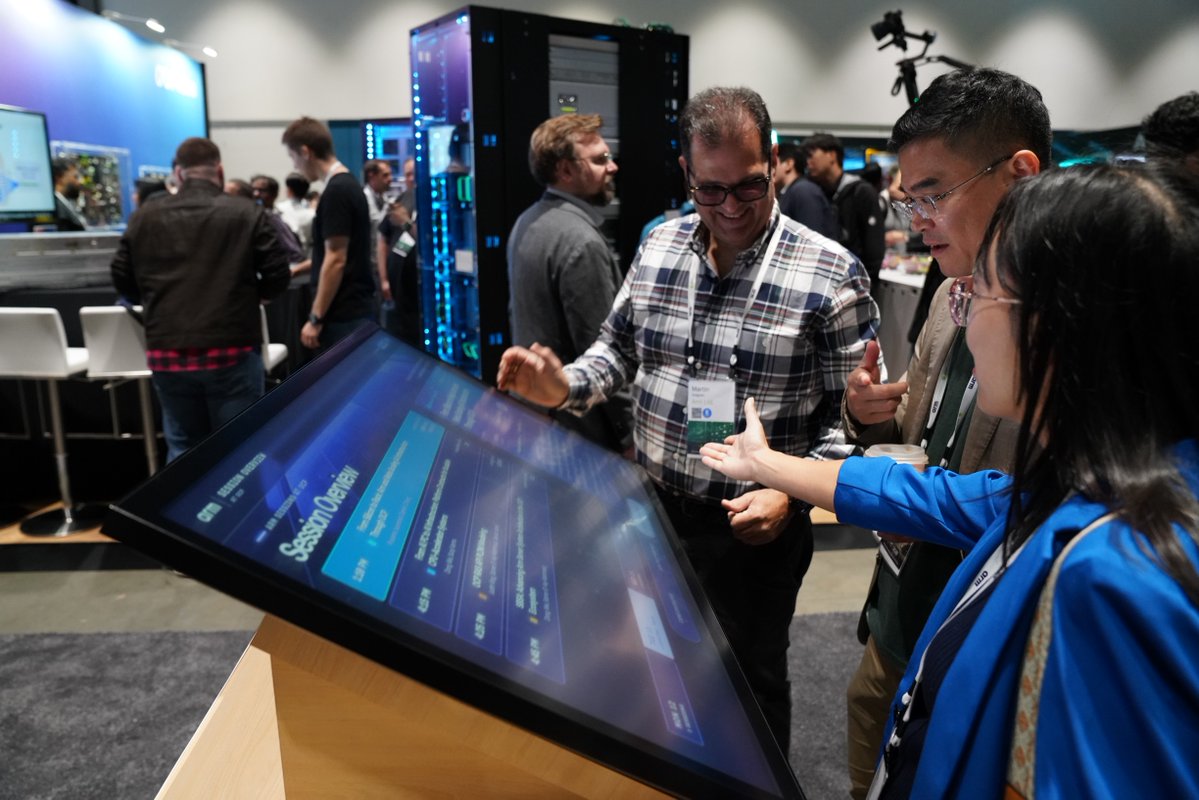
Goodbye to the #OCPGlobalSummit2026 👋
One thing was clear throughout the week: building infrastructure for the agentic AI era requires innovation across the entire system, from silicon to rack.
It was great to see the OCP community come together to advance this vision, with



Different companies. Different terminology. One increasingly complex robotics ecosystem.
A Robotics Capability Framework creates a shared language to help reduce fragmentation, simplify integration and accelerate adoption.
Hear from @AnaxiLabs, @McKinsey and @Lenovo on why

From first lines of code to millions of young creators! 💻
From Arm technology in the original device to collaborations with @UNICEFinnovate supporting digital and AI skills, swipe through to see what our partnership with micro:bit has made possible. 👇https://okt.to/nW3fp5
Arm CEO @Renehaas237 sat down with Jodi Shelton on the @ABitPersonalPod to discuss his career journey, leadership lessons, and the role Arm is playing in today's evolving technology landscape.
🎧👀: https://okt.to/8pgABa

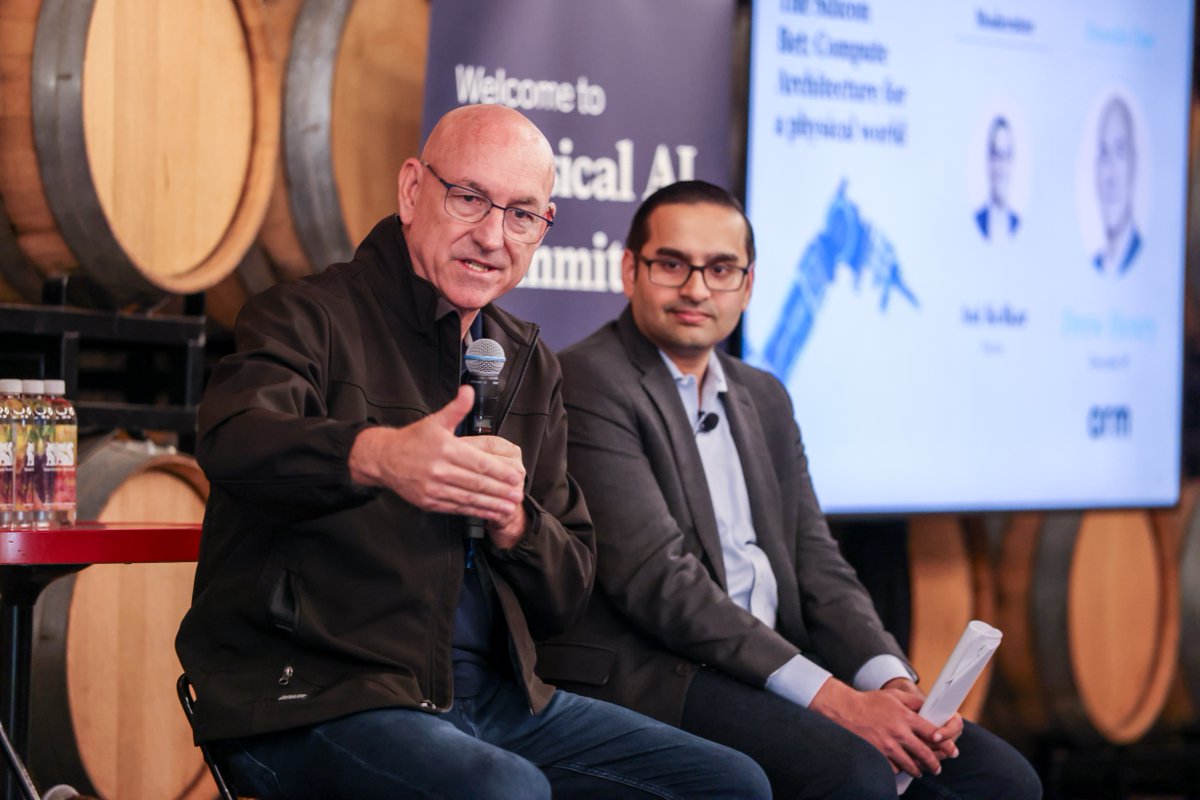
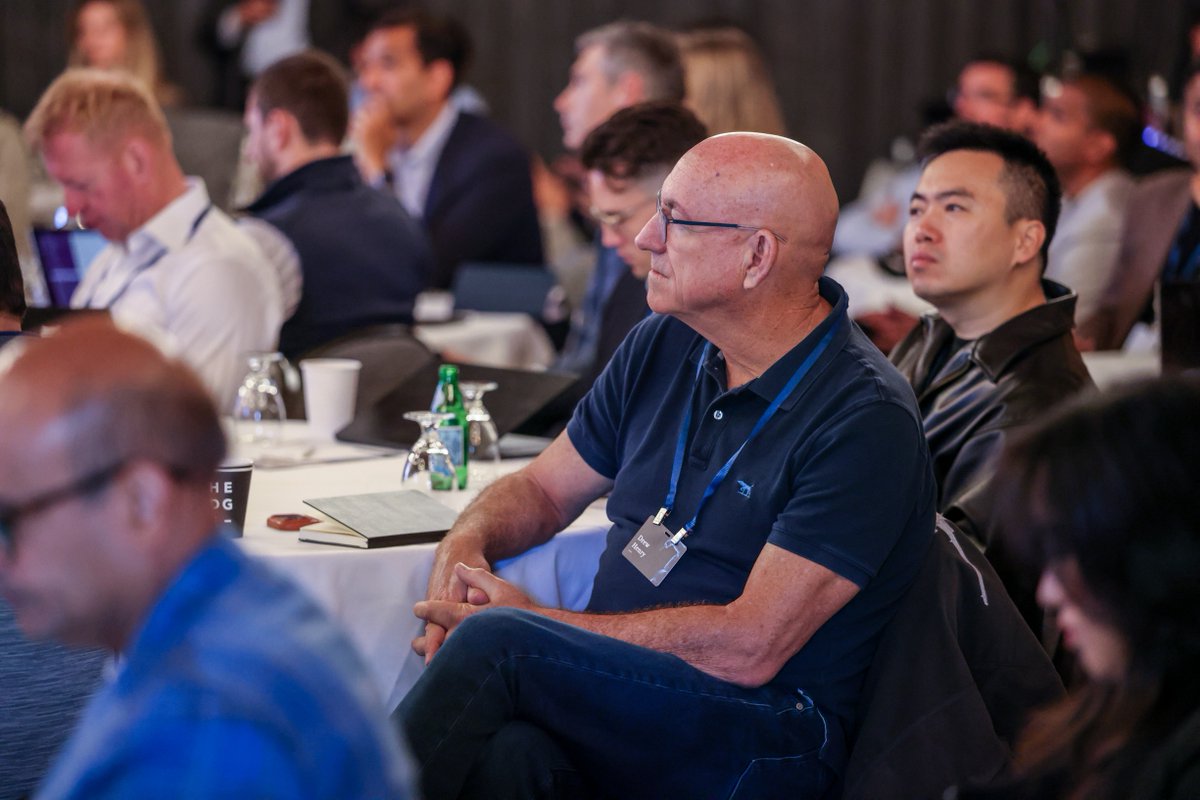
At the @McKinsey's Physical AI Summit, @drewhenry discussed the compute challenges of scaling physical AI.
From real-time performance to safety and efficiency, he shared how Arm's flexible compute platform supports the next generation of intelligent systems.
Great discussion


✅ @Supermicro 10U 4-node liquid cooled rack
✅ Arm AGI CPU @OpenComputePrj reference server
✅ Hands-on demonstrations
✅ Access to Arm experts
The show's not over yet - make sure to swing by booth C72 at the #OCPGlobalSummit2026 for a closer look at how we're building for the


Performance. Scale. Efficiency.
With 2x performance per rack -the Arm AGI CPU delivers. 💪

Enterprises scaling agentic AI can get about twice the CPU work out of the same rack power with the @Arm AGI CPU, based on @Signal_65 modeled rack analysis.
Full report: https://signal65.com/research/ai/arm-agi-cpu-performance-rack-scale/
That matters because power and floor space now cap how far AI infrastructure can